How much prep does a tar and chip driveway really need?
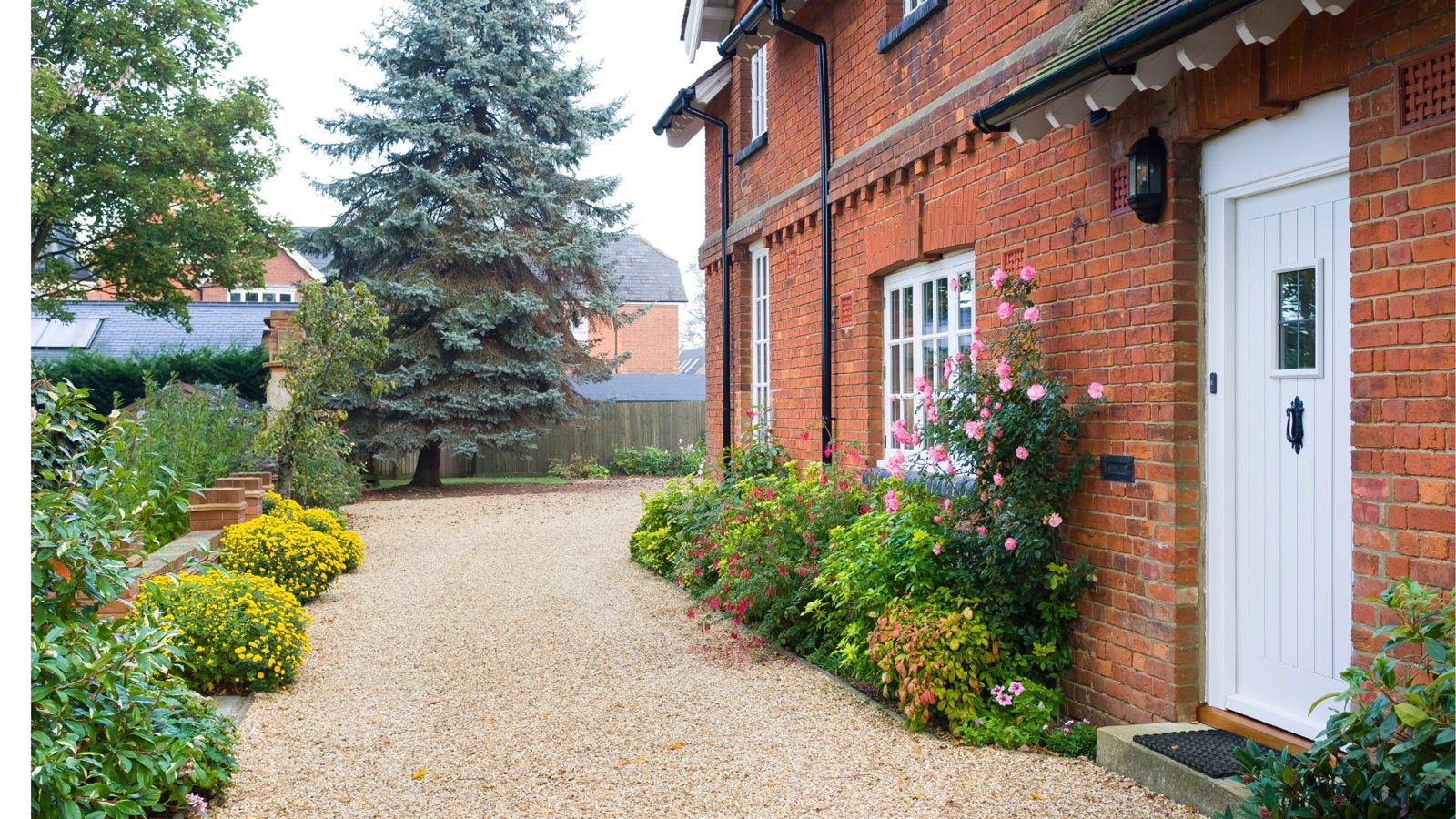
It's tempting to think of tar and chip as a quick spray-and-scatter job. Done properly, the finish is the last hour of the work, not the whole of it. Everything before that is what decides whether it lasts ten years or two.
Checking the base first
Before anything is sprayed, a good installer looks at what's underneath: is the existing surface sound, is there standing water anywhere, has the ground moved or sunk in places? This decides whether you need a full sub-base, a partial repair, or whether the existing driveway is solid enough to resurface straight over. Skipping this step is the single biggest cause of an early failure.
Getting the falls right
A driveway needs a slight fall so water runs off rather than pooling. On a flat or oddly-shaped drive this sometimes means minor levelling work before the bitumen goes down. Pooling water is what eventually breaks a surface up from underneath, chip by chip.
Edges and restraint
Loose chippings need something to stop them migrating, whether that's an existing kerb, a block edge, or a new restraint laid as part of the job. This is easy to skip and it's usually the first thing to go wrong on a corner-cut job.
Weather and timing
The base needs to be dry, and ideally the ground reasonably warm, for the binder to bond properly. A rushed job in poor conditions is exactly how you end up with the loose-chip complaints tar and chip sometimes gets unfairly blamed for.
Why this matters when you're comparing quotes
A quote that skips straight to "how many square metres, what colour chippings" without asking about your base, drainage or edges is a quote that's skipping the part that actually matters. See our guide to choosing a good installer for what else to ask.
Want your driveway properly assessed before a price is given? Get a free quote.